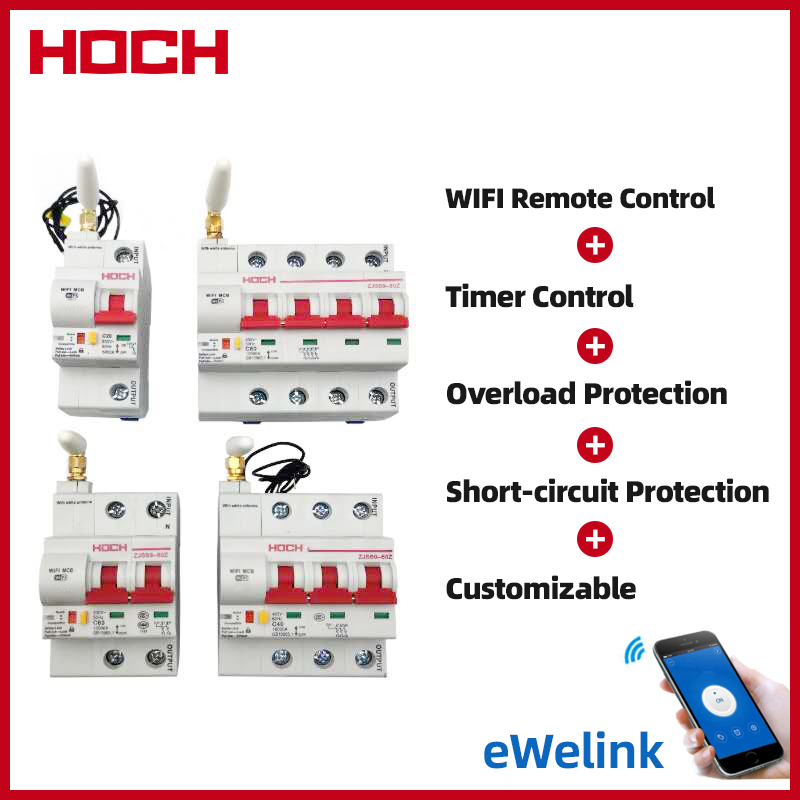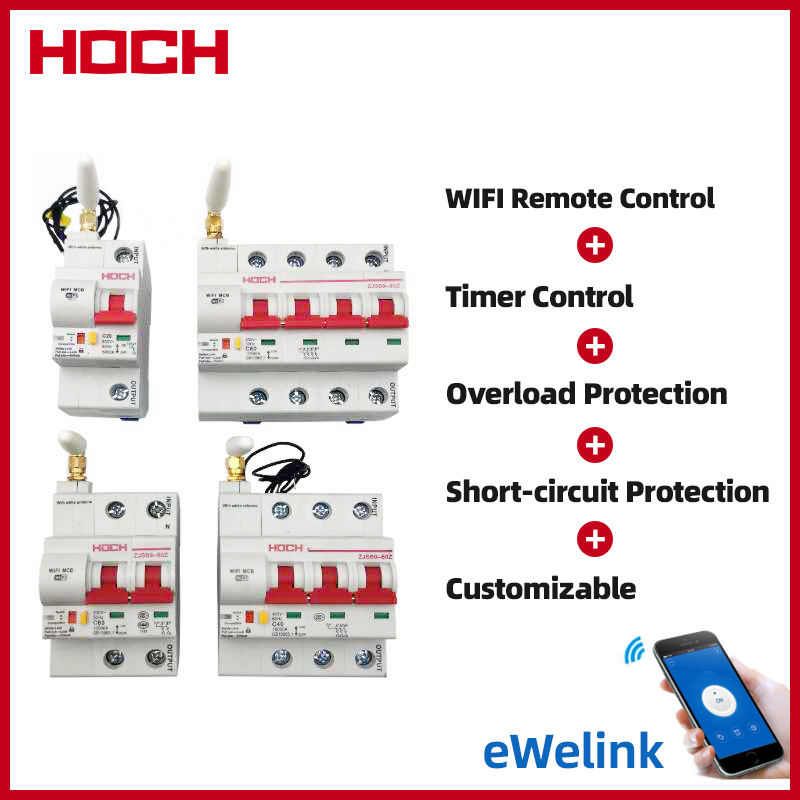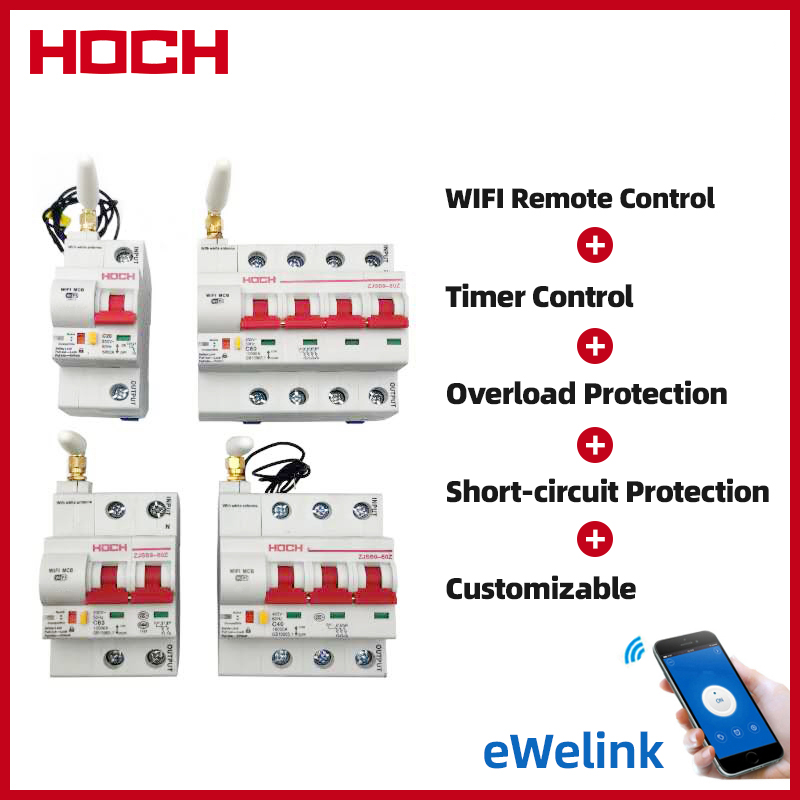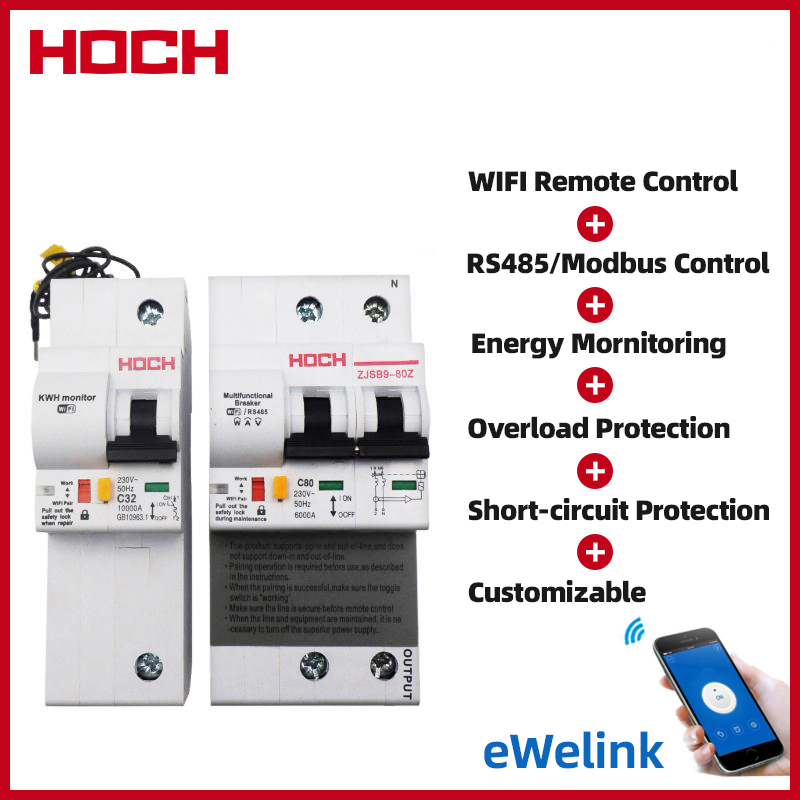

Intelligent smart relays, often used in automation and control systems, combine traditional relay functionality with advanced features for enhanced control and monitoring. Here’s a brief overview of their working principle and modes:
Working Principle:
- Input Monitoring: The relay continuously monitors various input signals (e.g., temperature, pressure, or voltage) using sensors or digital inputs.
- Processing: It processes these inputs using a built-in microprocessor or microcontroller, applying predefined logic or algorithms.
- Decision Making: Based on the input data and programmed logic, it decides whether to activate or deactivate its output relays.
- Output Control: It controls connected devices or systems by switching its outputs accordingly.
Modes:
- Standard Relay Mode: Operates like a traditional relay, switching outputs based on simple conditions.
- Time-Based Control: Can execute actions based on timers or delays, such as turning off a device after a set time.
- Logic-Based Control: Implements complex logic functions, such as AND, OR, NOT operations, for more advanced control scenarios.
- Communication Mode: Often integrates with communication networks (e.g., Modbus, Profibus) to exchange data and commands with other devices or systems.
- Monitoring and Diagnostics: Provides real-time monitoring and diagnostics, allowing for easier troubleshooting and performance analysis.
These features enable intelligent relays to offer flexibility, precision, and efficiency in automation systems.