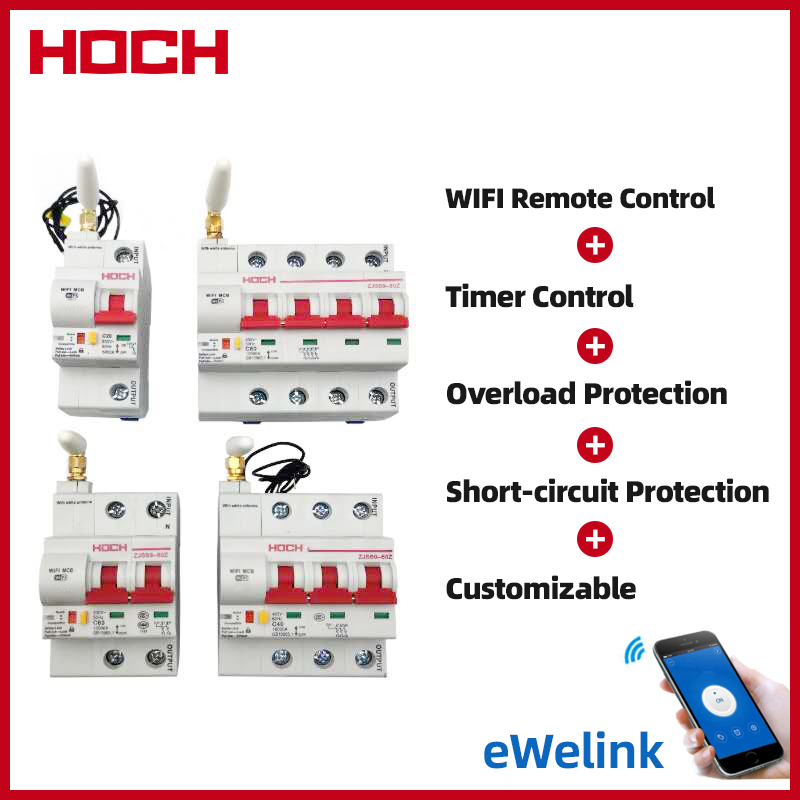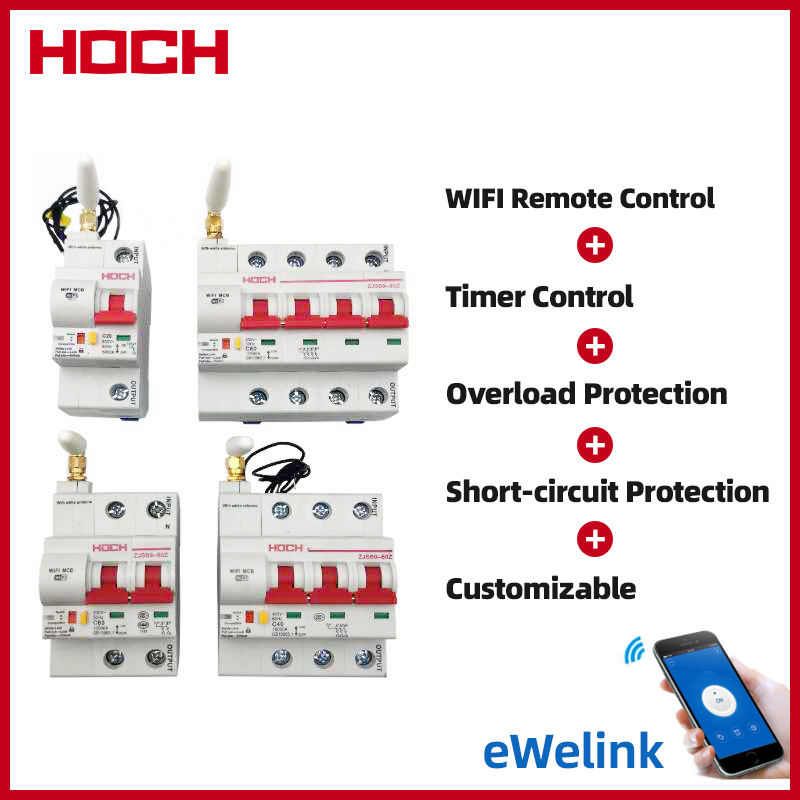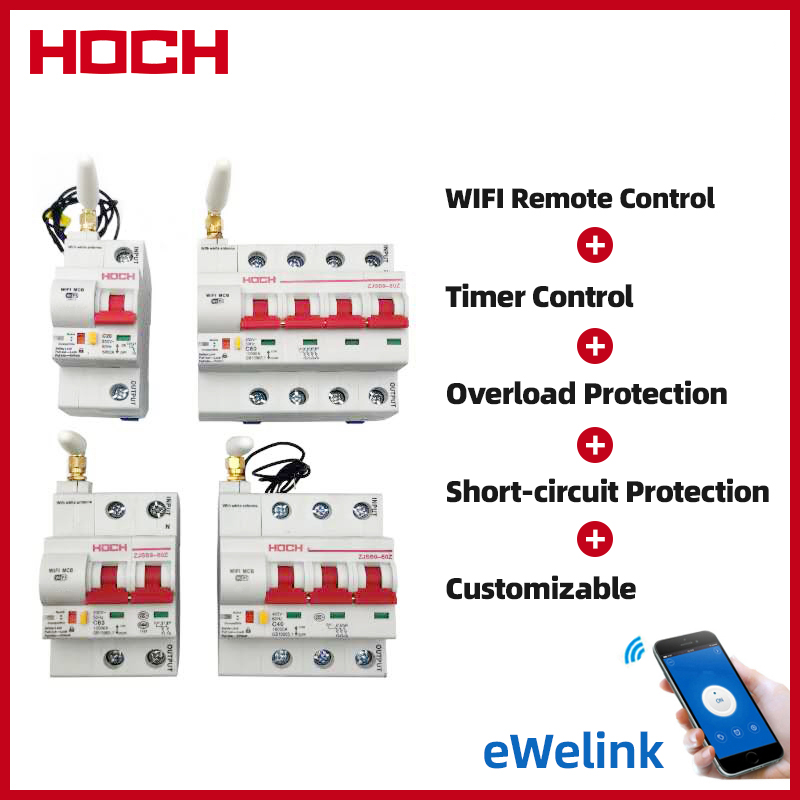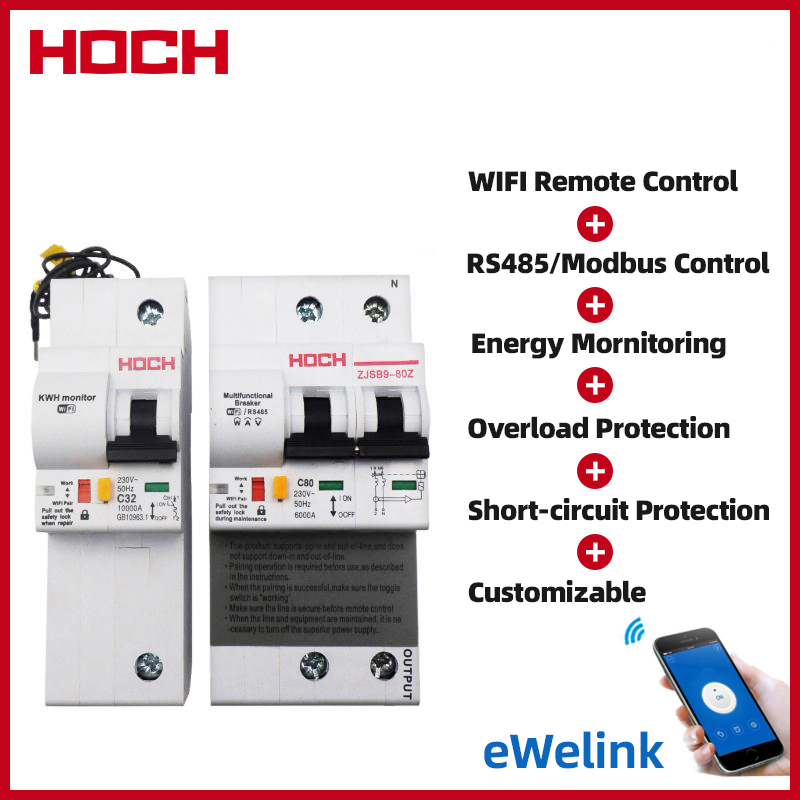

Working Principle:
- Current Sensing: Intelligent circuit breakers use sensors to continuously monitor the electrical current flowing through the circuit. These sensors detect abnormal current levels, such as overloads or short circuits.
- Data Processing: The detected data is sent to a microcontroller or digital processing unit within the breaker. This unit analyzes the current and compares it to pre-set thresholds.
- Decision Making: Based on the analysis, the circuit breaker determines if the current is within the safe range. If an anomaly (like an overload or fault) is detected, the breaker initiates a trip signal.
- Tripping Mechanism: The trip signal activates an electromechanical mechanism that opens the circuit, disconnecting the load and protecting the circuit from damage.
Modes of Operation:
- Manual Mode: Allows users to manually control the circuit breaker through physical switches or controls. This mode is useful for routine maintenance or testing.
- Automatic Mode: The breaker operates autonomously, using its built-in sensors and algorithms to detect faults and automatically trip the circuit without user intervention.
- Remote Control Mode: Enables control and monitoring of the circuit breaker via remote interfaces, such as smartphones, tablets, or computers. This mode supports functionalities like remote resetting, status monitoring, and fault diagnostics.
- Smart Monitoring Mode: Utilizes IoT technologies to provide real-time data on the circuit’s performance, including current, voltage, and load statistics. This mode supports advanced features like predictive maintenance and energy management.
Communication Technologies:
- WIFI/GPRS/4G: Allows remote monitoring and control through cellular networks and internet connectivity.
- RS485: Provides communication capabilities for integrating with other industrial control systems or building management systems.
- Zigbee: Offers low-power, short-range wireless communication for connecting with other smart devices in the network.
Intelligent circuit breakers enhance electrical safety, improve system reliability, and offer advanced functionalities for modern electrical systems.